Livestock Hauling Insurance in Texas
Also providing insurance to residents in Colorado, Kansas, New Mexico, and Oklahoma
Transporting cattle, horses, pigs, sheep, and other animals requires specialized equipment, careful planning, and attention to safety. Whether you operate a dedicated livestock hauling business or regularly transport animals as part of your agricultural operation, the risks can extend beyond the truck itself. Accidents, cargo damage, loading incidents, and other unexpected events may create significant financial concerns.
Kirk Insurance can help Texas livestock haulers explore insurance options designed around the way their businesses operate. Livestock Hauling Insurance may include coverage options for commercial vehicles, transported animals, cargo, and other exposures associated with hauling operations. Working with an insurance professional can make it easier to identify potential gaps and consider coverage that fits your vehicles, routes, and hauling activities.
What Is Livestock Hauling Insurance?
Livestock Hauling Insurance is designed for businesses that transport animals from one location to another for customers or as part of their own operations. Unlike ordinary commercial trucking, livestock transportation involves unique cargo risks because animals are living property and may be affected by road conditions, loading procedures, weather, and other circumstances during transit.
A livestock hauler may need several types of insurance depending on the nature of the operation. A commercial auto policy may address covered vehicles, while cargo-related coverage may provide protection for eligible property being transported. Other insurance options may address liability exposures associated with business operations.
The appropriate combination can vary based on the types of livestock transported, whether the hauler operates locally or across state lines, the vehicles used, and contractual requirements. Kirk Insurance can help business owners review these factors when developing a Livestock Hauling Insurance program.
What Can Livestock Cargo Insurance Cover?
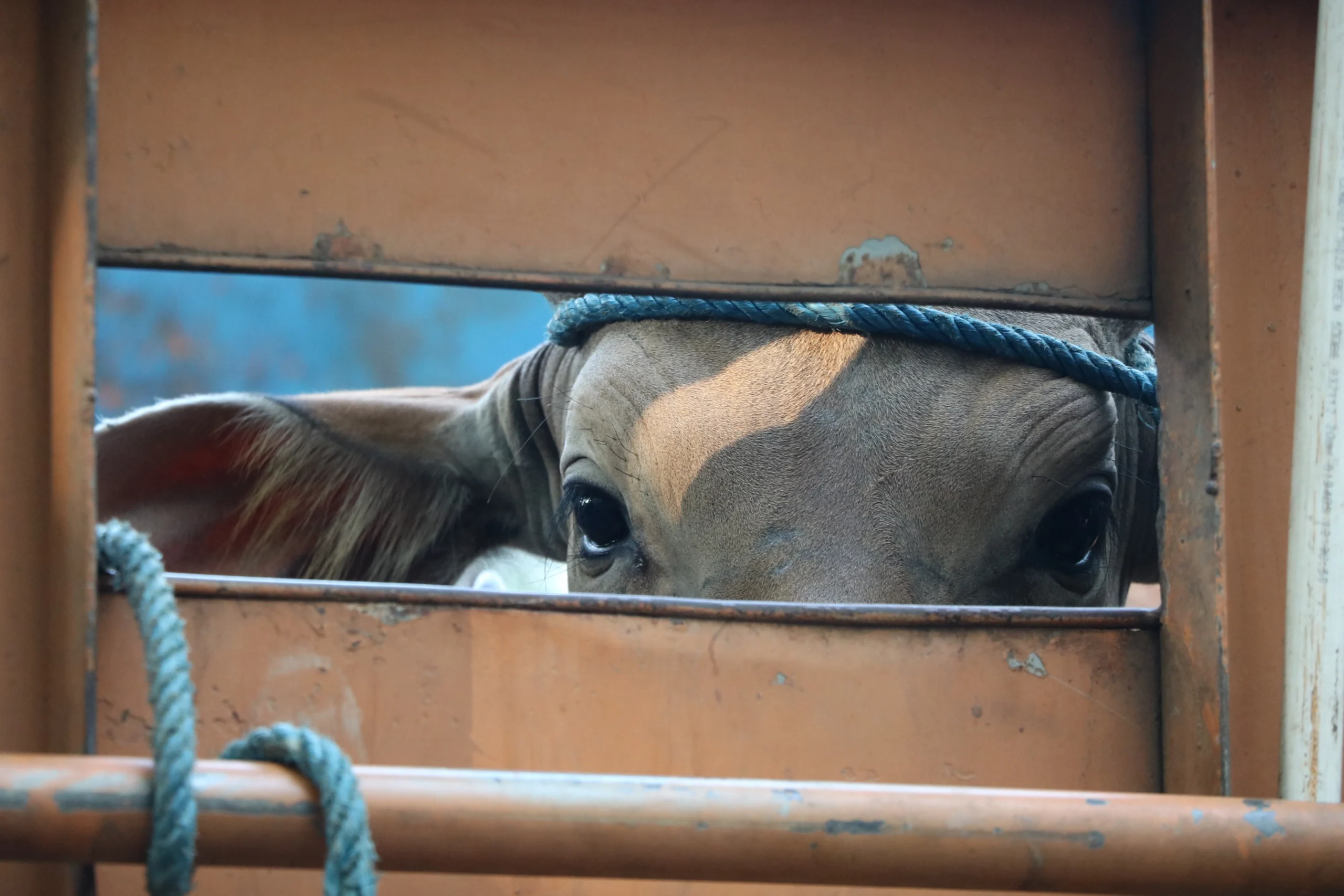
Livestock Cargo Insurance focuses on risks associated with animals being transported as cargo. Because livestock can be susceptible to injury, illness, escape, or death during transportation, specialized cargo considerations may be important for hauling businesses.
Depending on the policy and circumstances, livestock cargo coverage may address certain covered losses involving animals while they are in transit. Policy terms, exclusions, conditions, and limits can vary, so reviewing the specific wording is important when determining what protection may apply.
Livestock Cargo Insurance may be particularly relevant for haulers transporting animals on behalf of farmers, ranchers, auction facilities, feedlots, livestock markets, or other customers. A business may also need to consider how its contracts assign responsibility for animals during transportation. Understanding these responsibilities can help identify insurance needs and avoid unexpected gaps.
Get A Quote
What Risks Can Texas Livestock Haulers Face?
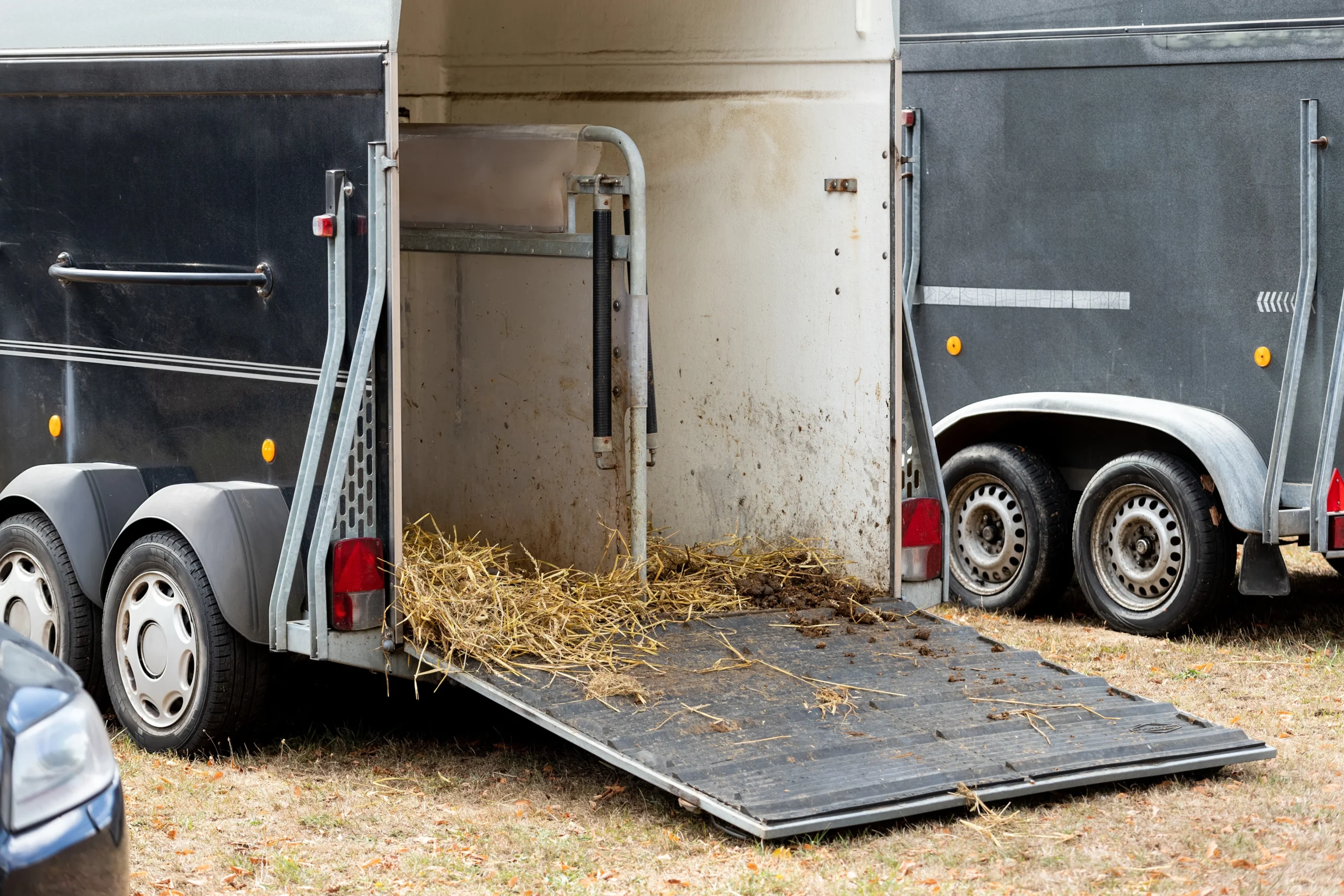
Livestock transportation involves a combination of commercial trucking and agricultural risks. A collision could damage the truck, trailer, and animals being transported. Animals may also become injured during loading or unloading, while difficult weather or road conditions can create additional challenges.
Other exposures may arise when animals escape from a trailer, when equipment breaks down during a trip, or when a delivery is delayed. The financial consequences can depend on the type and value of the livestock, the distance traveled, and the responsibilities established between the hauler and customer.
Common considerations for a livestock hauling operation may include:
- Vehicle accidents and physical damage
- Livestock injury or loss during transportation
- Loading and unloading exposures
- Trailer and equipment risks
- Customer liability and contractual requirements
Because no two hauling operations are exactly alike, insurance should be evaluated based on the actual services and equipment involved.
Which Coverage Options May Be Important For Livestock Haulers?
A comprehensive insurance program may involve several policies or endorsements rather than a single type of coverage. Commercial Auto Insurance may be an important component for trucks used in the business, while physical damage coverage may be considered for eligible vehicles and trailers.
Other insurance options may include:
- Livestock Cargo Insurance: May address covered risks involving animals being transported, subject to the policy’s terms, conditions, limits, and exclusions.
- General Liability Insurance: May be considered for certain third-party claims arising from business operations, depending on the policy.
- Workers Compensation Insurance: May be relevant when employees are involved, subject to applicable requirements.
- Equipment Breakdown Coverage: May provide options for addressing certain covered losses involving equipment or trailers used in the hauling operation.
The right combination depends on factors including vehicle ownership, hauling radius, cargo value, number of employees, and the types of livestock transported. Other coverage options may also be relevant depending on the operation and specific agricultural exposures.
Kirk Insurance can help Texas business owners review these different considerations and determine which options may be appropriate for their individual operations.
How Much Does Livestock Hauling Insurance Cost In Texas?
The cost of Livestock Hauling Insurance can vary considerably because insurers may consider multiple aspects of a hauling operation. The types and number of vehicles, driving history, hauling radius, experience, claims history, and types of livestock transported may all influence pricing.
The value and nature of the cargo can also be important when evaluating Livestock Cargo Insurance. A hauler transporting high-value animals may have different insurance considerations than a business transporting larger volumes of livestock with different values. Trailer types, vehicle use, annual mileage, and operating territory may also affect the overall cost.
There is no single price that applies to every livestock hauling business. Comparing coverage based solely on premium may not provide a complete picture of the protection available. Reviewing limits, deductibles, exclusions, and policy conditions can help business owners better understand what they are purchasing.
Kirk Insurance can help evaluate the details of a Texas hauling operation and explore insurance options based on its specific characteristics.
Why Should Texas Livestock Haulers Review Their Insurance Regularly?
Livestock hauling businesses can change over time. A company may add trucks, purchase new trailers, expand its service area, take on different types of livestock, or begin working with new customers. Each change may affect the business’s insurance requirements.
Regular insurance reviews can provide an opportunity to make sure vehicle schedules, cargo values, drivers, operating territories, and business activities are accurately represented. Reviewing contracts with customers may also reveal requirements for specific limits or types of coverage.
Texas livestock haulers may also encounter changing transportation conditions and operational risks as their businesses grow. Keeping insurance information current can help reduce the possibility of having outdated vehicle or business details on a policy.
Kirk Insurance works with business owners to understand their operations and identify insurance options that may fit their current needs. A periodic review can be especially useful after major changes to vehicles, routes, services, or customers.

How Can Kirk Insurance Help With Livestock Hauling Insurance?
Finding suitable insurance for a livestock hauling business requires understanding more than the truck and trailer. The animals being transported, routes traveled, customers served, and responsibilities accepted by the hauler can all influence the insurance program.
Kirk Insurance can help Texas livestock haulers review these details and consider options for commercial auto, livestock cargo, liability, and other relevant exposures. The goal is to develop an insurance approach that reflects the actual operation rather than relying on a one-size-fits-all solution.
Whether you operate a small livestock transportation business or manage a larger hauling operation, having an insurance professional review your needs may make it easier to identify potential gaps and understand available options. Contact Kirk Insurance today to discuss Livestock Hauling Insurance and Livestock Cargo Insurance for your Texas business.